

WCRI Publishes Workers Comp Injectable Therapies Study Report – Thorough and Timely
One of the most discussed claims department approval reviews for medication comes from workers comp injectable therapies. Injection therapies are usually very expensive and can last for months. Injectables are one reason to have an industrial-minded Workers Comp medical network in place to treat injured workers. Yes, employers, I am directing that statement at you.
If you work in a Workers Comp claims department, this would be a recommended study from me. By the way, WCRI does not pay me to place articles on this website. The press release is below.
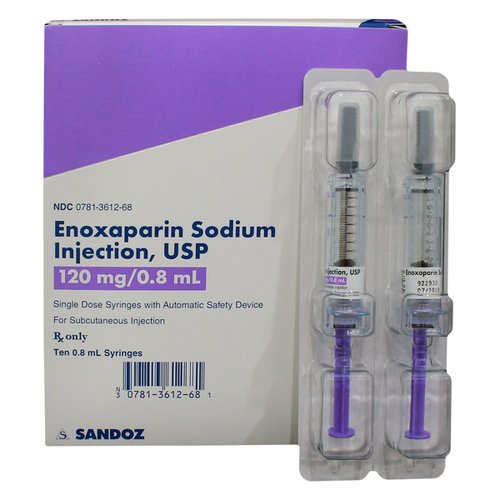
I can identify with this study – in a way. I am required to take five days of Enoxaparin therapy (10 self-injections!) if I have to have any type of surgery or procedure. See the below pic for (ouch!) what the injections look like inside the package.
New WCRI Study Analyzes Injectable Therapies in Workers’ Compensation
Waltham, MA, January 15, 2026—Injectable therapies play a key role in workers’ compensation care, yet information on their use and costs remains limited. A new study from the Workers Compensation Research Institute (WCRI) addresses this gap by examining utilization, costs, key cost drivers, and recent trends across 28 states through early 2024.
“These findings help policymakers and stakeholders better understand emerging patterns in injectable therapies,” said Sebastian Negrusa, vice president of research at WCRI. “Because many injectables are clinically complex, their use has important implications for treatment pathways, patient safety, recovery, and medical costs.”
Injectable therapies are widely used in the nonsurgical treatment of work-related injuries and illnesses, including pain and inflammation management (e.g., corticosteroids and hyaluronic acid), regenerative care (e.g., platelet-rich plasma [PRP]), and the management of comorbidities that may affect recovery (e.g., glucagon-like peptide-1 [GLP-1] drugs for obesity or insulin for diabetes).
The study examines:
- Common injectable drugs and procedures for workplace injuries
- Utilization trends for key injectables (e.g., GLP-1 drugs, hyaluronic acid, PRP, migraine therapies)
- State-level variation in use
- Costs of injectable drugs and procedures
The analysis draws on medical billing and prescription data for non-COVID-19 claims from 28 states, representing more than 75 percent of workers’ compensation benefits nationwide. The study, Injectable Therapies in Workers’ Compensation, was authored by Dr. Vennela Thumula, Te-Chun Liu, Dongchun Wang, and Dr. Randall D. Lea.
Dr. Thumula possesses a PhD in Pharmaceutical Science.
About WCRI
The Workers Compensation Research Institute (WCRI), based in Waltham, MA, is an independent, not-for-profit research organization founded in 1983. WCRI provides objective information through studies and data collection that follow recognized scientific methods and rigorous peer review. The Institute does not make recommendations or take positions on the issues it researches, ensuring neutrality and credibility. Its diverse membership includes employers, insurers, government agencies, managed care companies, health care providers, regulators, labor organizations, and state agencies across the U.S., Canada, Australia, and New Zealand.